

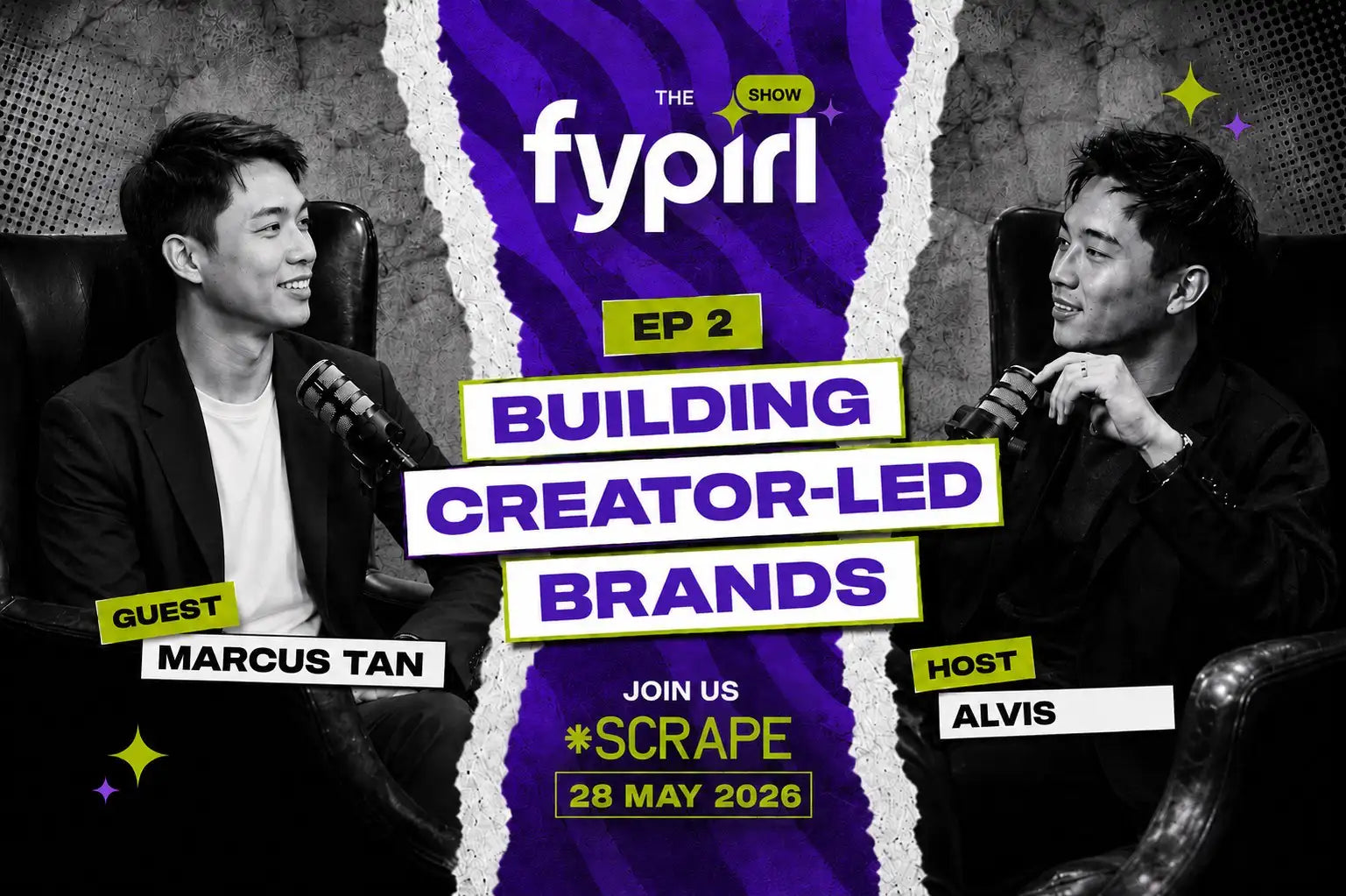
Marcus spent a significant portion of the session on what he described as the fundamental misunderstanding that brands bring into creator partnerships — and it comes down to what they think they are paying for.
Most brands, he explained, approach a creator partnership as a media buy. They are purchasing reach. They want a number of eyeballs exposed to their product for a given fee, and they measure success by impressions and click-through rates. That model works for awareness. It does not build anything durable.
What creators actually sell — and what the most sophisticated brand-creator partnerships understand — is borrowed trust. The audience trusts the creator, and a genuine endorsement transfers a portion of that trust to the product. But trust cannot be rented the way reach can. It has to be earned through authentic alignment between the creator's actual values and the product they are putting their name behind.
When that alignment is absent, the audience senses it immediately. The comment section knows before the analytics do. And once a creator has been perceived as selling out, the trust damage extends to every brand they work with afterward — which is why the best creators are increasingly selective in ways that frustrate brand marketing teams who are used to treating the arrangement as a straightforward transaction.