A spot appears. You attack it: a stronger wash, a scrub, a new serum, maybe three new serums. By the weekend your skin is red, flaky and still breaking out. It's a very common pattern, and it comes from a reasonable idea: if acne is a problem, more products should fix it faster.
Acne doesn't work that way. Most breakouts start weeks before you see them, and most treatments take weeks to show results. Piling on products mainly gives you irritation on top of the acne.
This guide is for everyday breakouts: blackheads, whiteheads, red bumps and the occasional angry spot. If yours are deep, painful or leaving scars, skip to the last section.
What Actually Causes a Breakout?
Four things happen together, and every treatment that works targets at least one of them:
1. Oil. Hormones (androgens especially) drive how much oil your skin makes.
2. Clogged pores. Dead skin cells don't shed properly and plug the pore.
3. Bacteria. C. acnes, which lives on everyone's skin, thrives in the plugged, oily pore.
4. Inflammation. Your immune system reacts, which is what makes a spot red and sore.
That's why a single "acne product" rarely fixes everything, and why picking at spots makes them last longer, because you add more inflammation. Our piece on why acne takes so long to heal goes into the timeline.
One quick check before you start: if your breakouts are lots of tiny, itchy, same-sized bumps on your forehead or chest, it may be fungal acne, which needs a different approach.
Which Acne Ingredients Actually Have Evidence?
The American Academy of Dermatology's 2024 acne guidelines give their strongest recommendations to benzoyl peroxide and topical retinoids, with salicylic acid and azelaic acid as further options.
| Ingredient | What it does | Good to know |
|---|---|---|
| Benzoyl peroxide | Kills acne bacteria, helps unclog pores | 2.5% to 5% is usually enough. Can bleach towels and pillowcases. |
| Retinoids (adapalene, tretinoin) | Normalise how pores shed; long-term prevention | Takes 8 to 12 weeks. Expect some dryness at first. Avoid in pregnancy. |
| Salicylic acid (BHA) | Oil-soluble exfoliant that gets into pores | Best for blackheads and congestion. Milder than the two above. |
| Azelaic acid | Calms redness, helps breakouts and dark marks | Gentle enough for sensitive skin. Our full explainer. |
Pick one to start. Adding a second active is fine later, once your skin has settled, but starting two at once makes it hard to tell what's helping and what's irritating.
To be upfront: FYPIRL doesn't currently stock benzoyl peroxide or retinoid acne treatments. A pharmacist can help you with those, and some strengths need a doctor's prescription. What we do stock are the products that make the rest of the routine easier, and that matters, because harsh basics undo good treatments.
A Simple Routine for Acne-Prone Skin
Morning
1. Gentle cleanser (or just water if you're not oily)
2. Light moisturiser if you need one
3. Sunscreen
Night
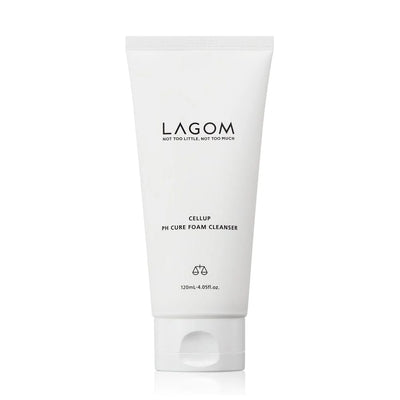
1. Cleanser (a cleansing oil can help remove water-resistant sunscreen or long-wear makeup; see our cleanser guide)
2. Your one active treatment
3. Moisturiser
That's it. Toners, essences and masks are optional. If you love them, keep them gentle and fragrance-light.
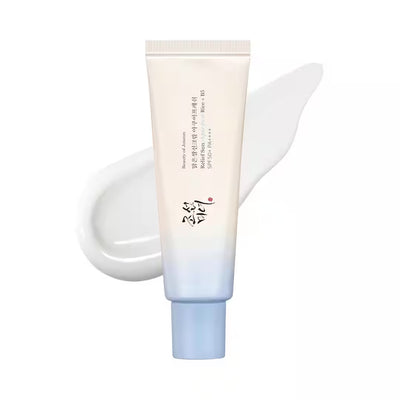
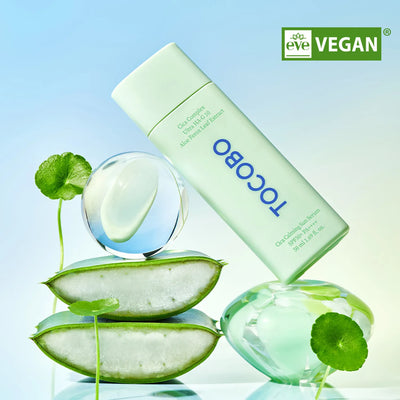
Sunscreen matters more than people think with acne. Red and brown marks left behind after a spot heals darken with sun exposure, so they last much longer without it. Choose a light gel or fluid. Our sunscreen guide has picks for oily skin.
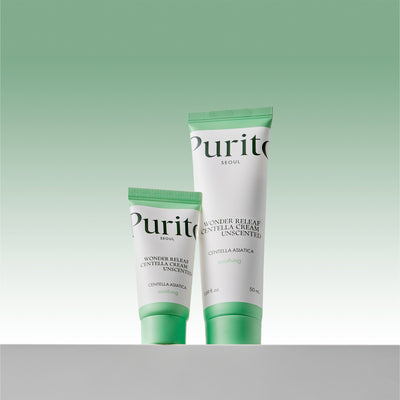
Moisturiser isn't the enemy. Acne treatments dry skin out, and dry, irritated skin is more likely to give up on treatment. A light, non-greasy cream helps you stick with it.
What to Stop Doing
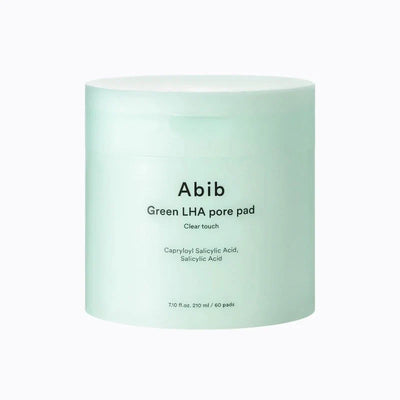
- Scrubbing. Gritty scrubs and rough cloths irritate inflamed skin. If you want exfoliation, a salicylic or LHA pad a few times a week is gentler.
- Over-washing. Wash gently up to twice daily and after sweating. Avoid scrubbing.
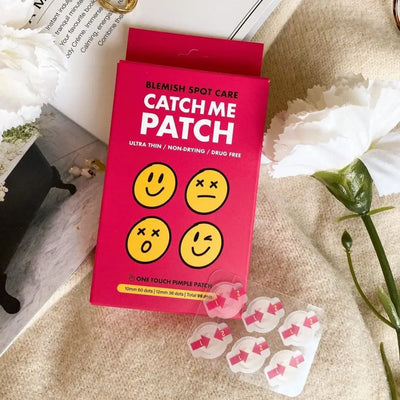
- Popping deep spots. Whiteheads that have come to a head can be covered with a hydrocolloid patch instead, which keeps your fingers off and absorbs fluid. Deep, painful bumps should be left alone.
- Switching products every week. Give each change at least six to eight weeks.
What about food? The evidence is mixed, but one randomised trial found a low-glycaemic diet (fewer sugary drinks and refined carbs) improved acne in young men over 12 weeks. The current acne guideline found insufficient evidence to recommend dietary changes as an acne treatment.
When Should You See a Doctor About Acne?
See a GP or dermatologist early if your acne is painful or leaving scars. Get advice if:
- your breakouts are deep, painful lumps or cysts
- they're leaving scars or dark marks that aren't fading
- three months of a consistent over-the-counter routine hasn't helped
- acne is affecting how you feel about going out
Prescription treatments work well, and earlier treatment means less scarring. In Singapore you can start with a polyclinic or GP, who can refer you to a dermatologist if needed. There's no prize for sticking it out on your own.
For a gel cleanser, see Round Lab 1025 Dokdo Cleansing Gel.
Choose one proven active, keep everything around it gentle, wear sunscreen, and give it three months. If your acne is painful or scarring, see a doctor now rather than later.