Serums are where skincare gets expensive. A shelf can easily hold four of them, each promising glow, firmness, calm and hydration, and most people using four serums can't tell you which one is doing anything.
A serum is just a concentrated, lightweight product built around one or two ingredients. That's its strength: it's how you aim a routine at a specific problem. It's also why stacking them rarely works. Two well-chosen serums beat five random ones, and sticking with a suitable serum makes it easier to judge how your skin responds.
Do You Actually Need a Serum?
Not always. If your skin is comfortable and you're happy with it, a cleanser, moisturiser and sunscreen are enough. A serum earns its place when there's something specific you want to change (tone, texture, redness, dryness, lines) and you're willing to give it time.
If you're new to skincare, get the basics right first. Our Skincare 101 guide covers that.
Which Serum Do You Need? Start With One Goal
Pick the one problem that bothers you most.
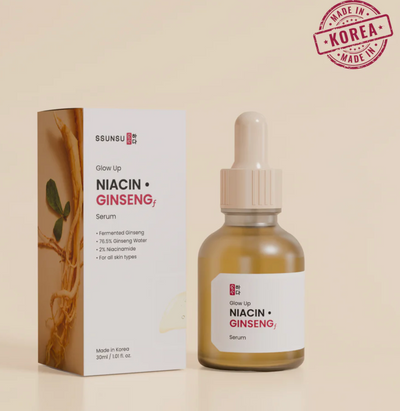
- Dull, uneven or oily: Niacinamide is the easy first choice: well studied, low irritation, and it works on tone, oil and the look of pores at the same time. Vitamin C is the other classic for brightness.
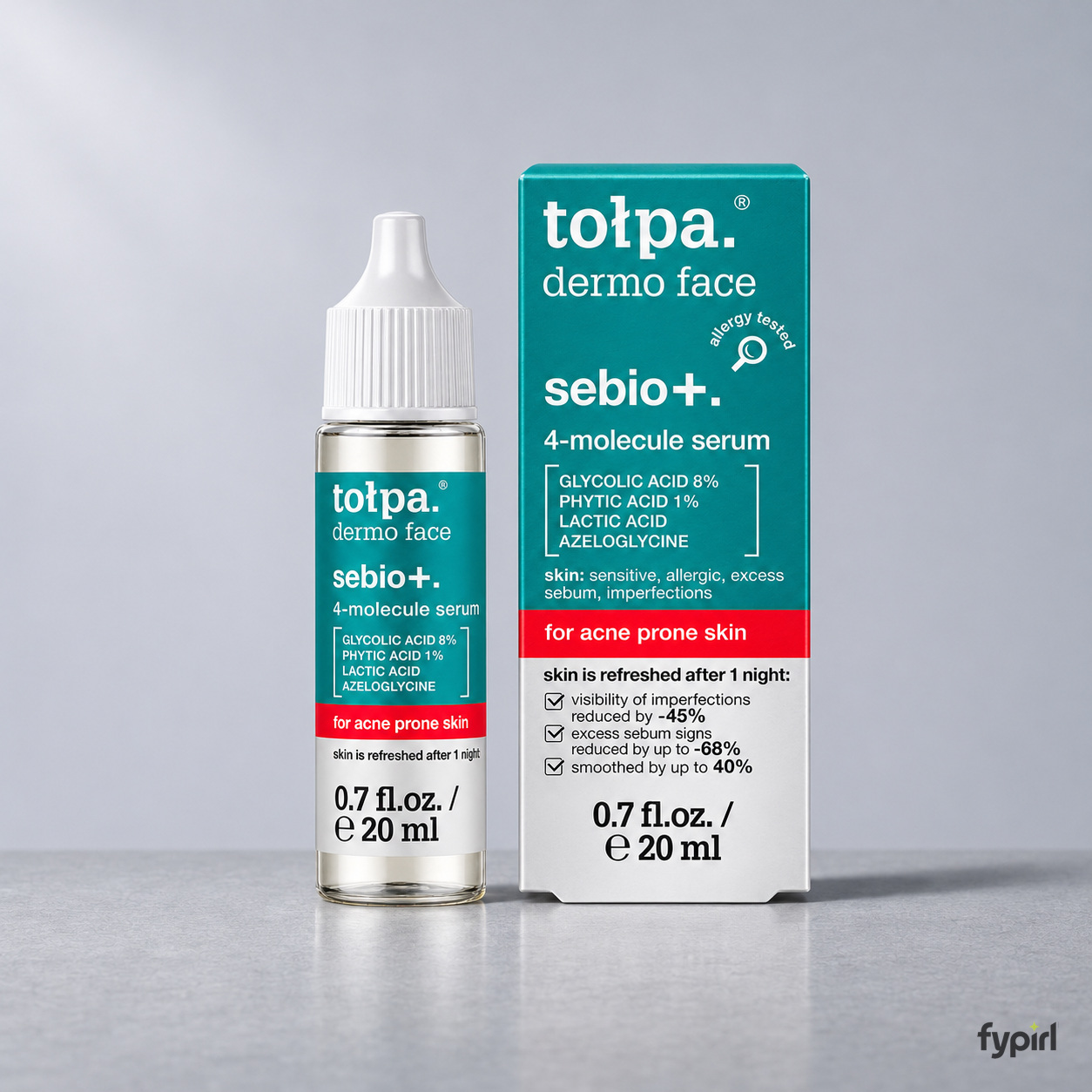
- Rough texture or bumps: Exfoliating acids (glycolic, lactic, salicylic) smooth the surface. Follow the product directions, start slowly and cut back if irritation develops.
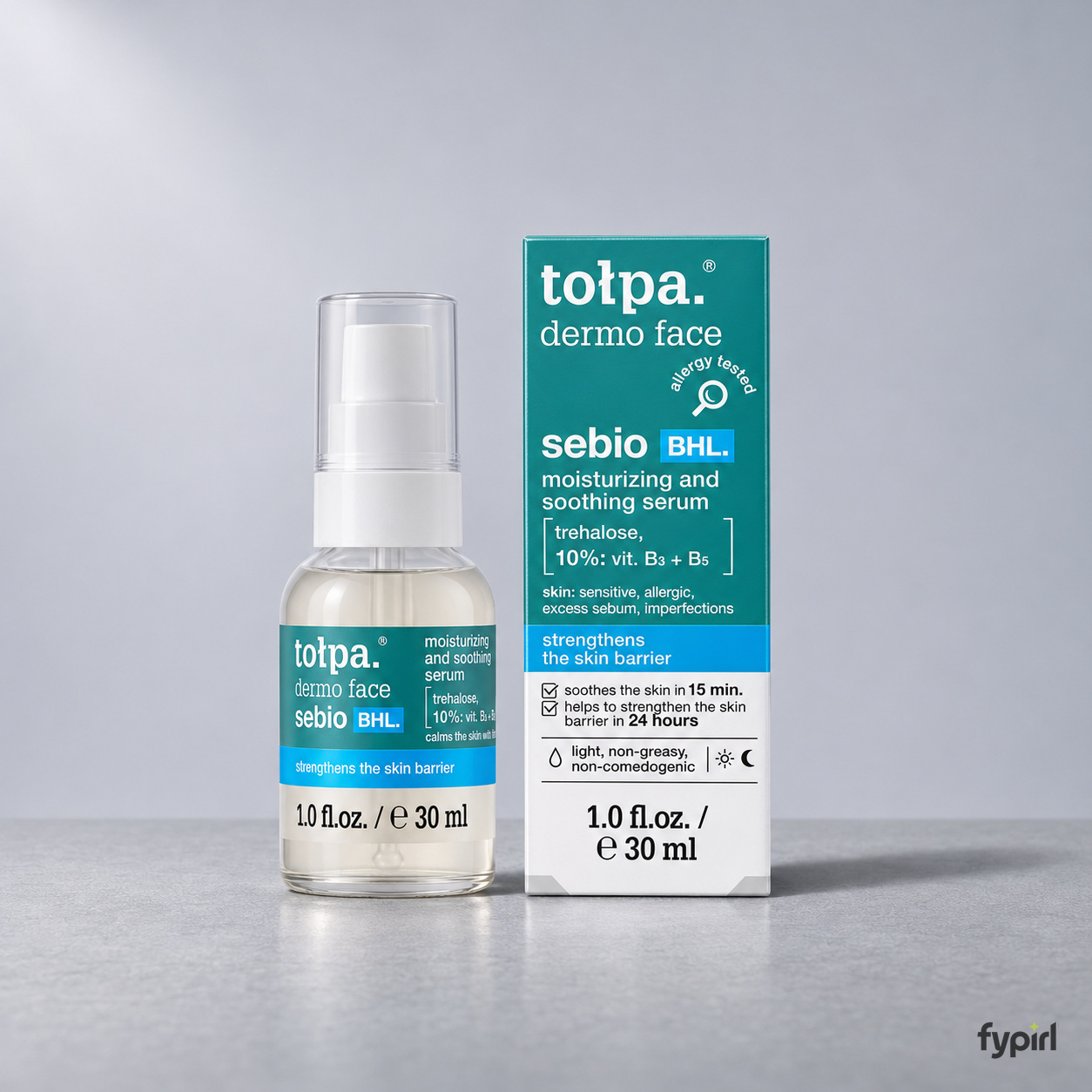
- Red, reactive or stinging: Skip the actives for now. Calming, barrier-support serums with ceramides, panthenol or soothing plant extracts come first. Once your skin settles, you can add something targeted.
- Tight or dehydrated: Hydrating serums with humectants like hyaluronic acid or glycerin, always with a moisturiser on top. Our piece on why hyaluronic acid sometimes makes skin drier explains why the moisturiser matters.
- Fine lines or loss of bounce: Retinoids have the strongest evidence. Peptides are a gentler option with a smaller evidence base; our peptides explainer shows which ones hold up.
See our product picks at the end of this guide.
How to Read a Serum Label
Percentages don’t tell the whole story. Clinical studies tested 2% niacinamide for facial oil and 5% niacinamide for visible signs of ageing. Those results apply to the formulas and outcomes studied.
Ingredient order doesn’t tell you the exact percentage. Under Singapore’s cosmetic labelling rules, ingredients below 1% may appear in any order after higher-concentration ingredients.
"Exosomes", "PDRN" and "delivery technology" are early science. Some are interesting, but the human evidence is thin so far. Our PDRN explainer is a good example of how to read these claims. Buy them because you like how they feel, not because of a promise.
Fragrance matters if you're sensitive. It isn't harmful for most people, but it's one of the common reasons a serum stings.
Can You Use Two Serums Together?
Yes, if they have different jobs and don't fight. A simple rule:
| Combination | Verdict |
|---|---|
| Niacinamide + hydrating serum | Fine, any time |
| Vitamin C + niacinamide | Fine; the old "don't mix" rule was about outdated formulas |
| Exfoliating acid + retinoid | Not on the same night when you're starting out |
| Two exfoliating products | Usually too much; pick one |
| Calming serum + anything | Fine, and often helps you tolerate the other one |
Apply the thinnest, most watery one first. Give each a minute to settle before the next.
Morning or Night?
- Morning: Antioxidants like vitamin C, niacinamide and hydrating serums, under your sunscreen.
- Night: Exfoliating acids and retinoids, which can make skin more sun-sensitive and work while you sleep.
- Either: Calming and barrier serums.
How Long Before a Serum Works?
Timing depends on the product and what you’re treating. Hydration may feel different sooner than visible changes in tone or texture. If you’re tracking a visible change, compare photos taken in the same light.
If something stings for more than a few seconds, makes you red for hours, or breaks you out in new places, stop and go back to your basics for a week.
Pick one goal and one serum. Give it time to work, and add a second only when it does a different job.