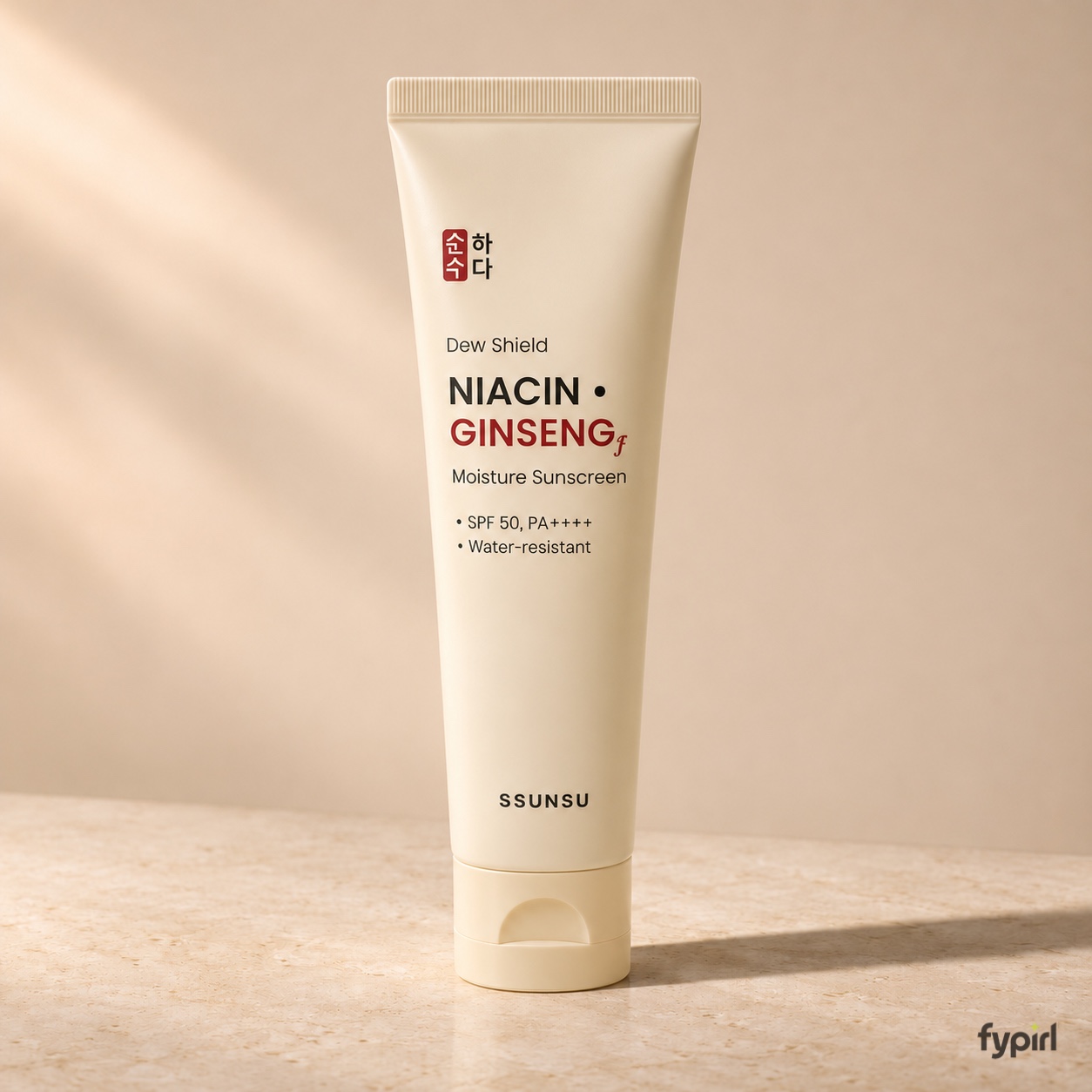
Most people think they know their sunscreen problem: it's greasy, it pills, it stings, it leaves a white cast. So they quietly stop wearing it, or save it for beach days. In Singapore that's backwards. The walk from the MRT, lunch outside and the queue at the hawker centre add up, and the sun here is strong all year.
It's also the one step in your routine with a long-term randomised trial behind it. In the Nambour trial, adults who used sunscreen daily for four and a half years showed no detectable increase in skin ageing over the study, while those who used it when they felt like it kept ageing at the usual rate.
The good news: almost every "I can't wear sunscreen" problem is really a "wrong sunscreen for my skin" problem. Here's how to find the right one.
Which Sunscreen Do You Actually Need?
Pick by how your skin behaves by mid-afternoon, not by the label.
- Oily or shiny skin: You want a watery gel or fluid that sets quickly. Skip anything described as "rich", "nourishing" or "glow". If you're shiny by noon, sheer and fresh beats dewy.
- Dry or tight skin: A creamier sunscreen can replace your morning moisturiser. Look for "moisturising" textures with humectants like glycerin, panthenol or niacinamide.
- Sensitive or easily red: Look for formulas made for reactive skin. If your skin reacts easily, test the sunscreen on a small area of your inner arm twice daily for seven to ten days. Stop if you develop redness, itching or swelling.
- Under makeup: Smooth, quick-setting textures work best. Give it two or three minutes before foundation, and pat makeup on rather than rubbing.
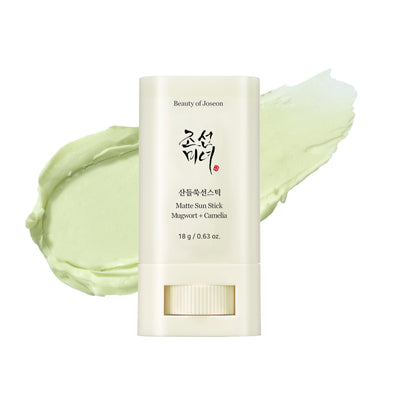
- Topping up during the day: Sticks and cushions are for reapplying over makeup, not for your morning layer. They're easy, but most people use far too little.
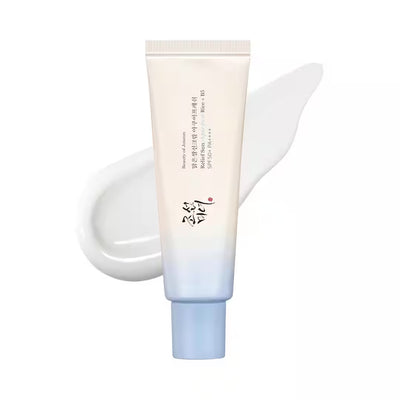
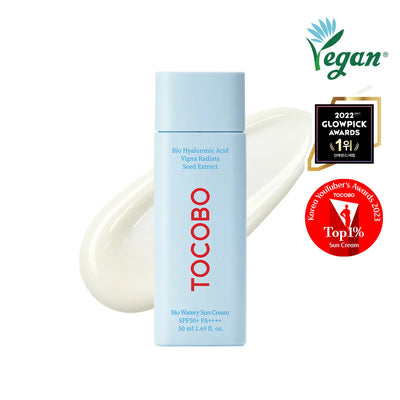
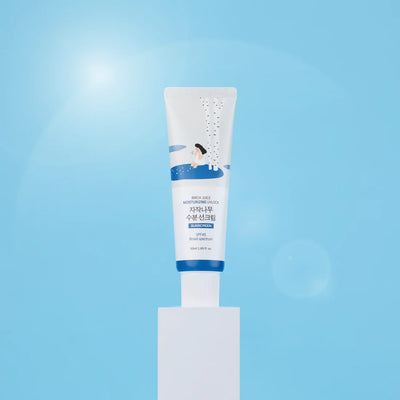
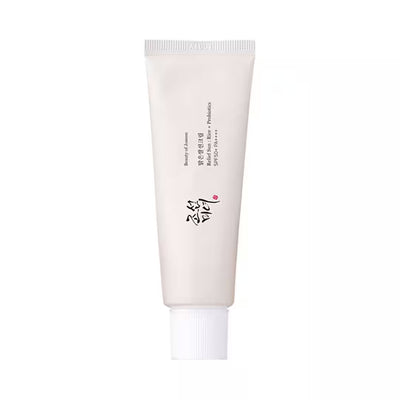
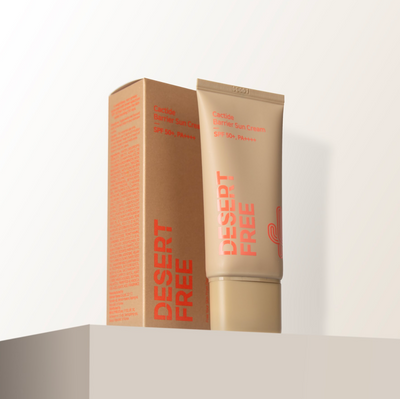
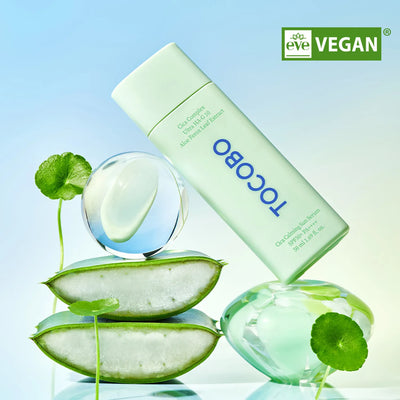
See our product picks at the end of this guide.
SPF and PA in One Minute
SPF is about UVB, the rays that burn. SPF 30 blocks roughly 97% of UVB in lab testing; SPF 50 roughly 98%. The gap matters more than it looks, because almost nobody applies as much as the lab does.
PA is the Japanese and Korean rating for UVA, the rays behind dark spots and wrinkles that pass through windows. It runs from PA+ to PA++++. For daily wear here, SPF 30 or above with PA+++ or PA++++ is a sensible floor.
NEA publishes an hourly UV index and around midday it regularly reaches "very high" or "extreme". Cloud cover cuts some UV, but a grey afternoon can still be a high UV day.
Chemical, Mineral or "New-Generation" Filters?
| What people say | What's actually going on |
|---|---|
| "Mineral sunscreens reflect, chemical ones absorb" | Mineral filters (zinc oxide, titanium dioxide) mostly absorb UV too. The real difference is texture and white cast. |
| "Chemical sunscreens are bad for you" | The filters in modern Asian sunscreens are some of the most studied cosmetic ingredients there are. |
| "Mineral is always better for sensitive skin" | Often, not always. A well-made modern formula can be just as comfortable, without the cast. |
Turn over most Korean sunscreens and you'll see names like ethylhexyl triazone and bis-ethylhexyloxyphenol methoxyphenyl triazine. These are newer filters approved in Asia and Europe, and a big part of why these sunscreens feel so light.
The honest answer: the best filter is the one in a formula you'll wear every day.
Why the Amount You Apply Matters
SPF is tested at 2 mg of sunscreen per square centimetre of skin. Studies of real-world use, like this review, find most people use well under half that, and half the amount gives you far less than half the protection.
The fix: squeeze two lines along your index and middle fingers. That's about right for face and neck. It will feel like a lot for the first week. Don't forget your ears, the back of your neck and your hairline.
Five Tests Worth Doing Before You Give Up on a Sunscreen
1. The pill test. Rub it in, wait two minutes, then press your fingers into your cheek. If it rolls into little bits, your serum or moisturiser underneath is the problem, not the sunscreen. Use less underneath, or wait longer between layers.
2. The 3pm mirror check. Look at your face mid-afternoon. Shiny all over means go lighter; tight or flaky means go creamier.
3. The sweat test. Wear it on a hot walk. If it runs into your eyes and stings, switch formulas. Some filters sting more than others.
4. The cast check. Check in daylight, not bathroom light. A grey or purple tint on deeper skin tones means try a different formula.
5. Try it on a small area first. Follow the skin test guidance above if your skin is sensitive.
Do You Need to Reapply If You're Indoors All Day?
Mostly no. If you're in an office away from windows, your morning layer does most of the work. Reapply every two hours when outdoors, and after swimming, sweating or wiping your face. Over makeup, a stick or cushion is easiest. Do four or five passes, not one swipe.
At night, wash it off with a gentle cleanser. A cleansing oil or balm can help remove water-resistant sunscreen. Our cleanser guide explains why, and our Skincare 101 guide shows where sunscreen fits in the full routine.
Pick a sunscreen texture you’ll wear, apply it generously, and reapply every two hours when you’re outdoors.