Most people come to skincare through someone else's routine: a ten-step video, a friend's shelf, a list of products that went viral. It's easy to assume the more steps, the better the skin. Then the routine takes twenty minutes, nothing seems to change, and it all gets abandoned by the end of the month.
The truth is less exciting. A few basic steps, done every day for months, do most of the work. Everything else is either a targeted fix for a specific problem or simply something nice to use. Knowing which is which saves you money and gives you better skin.
What Are the Basic Steps of a Skincare Routine?
Here's the whole thing, with the essentials in bold.
Morning
1. Cleanse: Gently, or just rinse if you're dry
2. Toner or essence (optional)
3. Serum (optional): e.g. vitamin C or niacinamide
4. Moisturise
5. Sunscreen
Night
1. Cleanse: Use a gentle cleanser. An oil or balm can help remove water-resistant sunscreen or long-wear makeup.
2. Toner or exfoliant (optional): not every night
3. Treatment: e.g. a retinoid, azelaic acid or an acne treatment
4. Moisturise
If you're just starting, do only the bold steps for a month. Once those are automatic, add one thing at a time.
Why a Good Cleanser Matters More Than You'd Think
The cleanser is on your face for less than a minute, so it's easy to buy the cheapest one or the one that makes you feel squeaky clean. That squeaky feeling is actually the warning sign. Harsh, high-pH cleansers strip the oils that hold your skin barrier together, and a damaged barrier shows up as tightness, flaking, redness, extra oiliness and breakouts.
A good cleanser leaves your face clean but comfortable. A gentle cleanser may remove regular sunscreen on its own. For water-resistant sunscreen or long-wear makeup, try an oil or balm first if you need it.
Our full guide to picking a cleanser covers textures, pH and picks for each skin type.
Is Toner Actually Necessary?
No, but a good one can be useful. "Toner" used to mean an alcohol-heavy liquid meant to remove leftover dirt, which modern cleansers don't leave behind. Today the word covers two quite different products:
- Hydrating toners and essences add a light layer of water-binding ingredients before your moisturiser. Nice if you're dehydrated or live in air-conditioning all day. Not essential.
- Exfoliating toners and pads contain acids or enzymes. These are really exfoliants in a toner format, so treat them like one (see below).
If you only have budget or patience for a few products, toner is the first one to drop.
Why Exfoliation Helps (and How Much Is Too Much)
Your skin sheds dead cells all the time, but not always evenly. When they build up, skin looks dull, feels rough, and pores clog more easily. Exfoliating helps them shed so skin looks smoother and brighter, and other products spread more evenly.
There are two ways to do it:
| Type | Examples | Best for |
|---|---|---|
| Chemical (acids, enzymes) | Glycolic acid (AHA), salicylic acid (BHA), LHA, PHA, enzyme washes | Most people. Even and gentle when used properly. |
| Physical (scrubs, brushes) | Gritty scrubs, cleansing brushes | Rarely needed. Easy to overdo on the face. |
AHAs like glycolic acid work on the surface and suit dullness and uneven texture. BHA (salicylic acid) is oil-soluble, so it gets into pores, which makes it better for blackheads and oily, congested skin. LHA and PHA are gentler relatives for sensitive skin.
Start slowly, follow the product directions, and cut back if you develop irritation. If you use a retinoid or benzoyl peroxide, check before adding an exfoliant. If your skin stings when you apply moisturiser, looks shiny-tight, or suddenly feels sensitive, you've overdone it. Stop for a week and let it recover. Our skin barrier reset explains what to do.
Serums and Treatments: Pick One Goal
Serums are where routines get expensive and confusing. The simple rule: choose one thing you want to improve, and pick one product for it.
- Dark spots or post-acne marks: Niacinamide, vitamin C, azelaic acid or tranexamic acid
- Fine lines and texture: A retinoid at night. See our retinal vs retinol explainer
- Breakouts: Benzoyl peroxide, a retinoid, salicylic or azelaic acid. Our acne guide has the full routine
- Dehydration: Hyaluronic acid, with a moisturiser on top (here's why the moisturiser matters)
Give each one 8 to 12 weeks before deciding it doesn't work.
Moisturiser: The Step People Skip When They're Oily
Oily skin still needs moisture. A light moisturiser can still feel comfortable on oily skin. A moisturiser holds water in and supports the barrier. It's what keeps everything else in your routine from irritating you. If you're oily, choose a light gel-cream. If you're dry, choose something richer with ceramides. If yours isn't working, it's probably missing one of three things.
Why Sunscreen Is the Step That Matters Most
If you do only one thing, make it sunscreen. It's the only step with long-term trial evidence for slowing visible ageing, and in Singapore the UV index regularly reaches "very high" or "extreme" around midday. It also stops dark spots and acne marks from getting darker, so it protects the results of everything else you use.
Use about two finger-lengths for face and neck, every morning, as the last step before makeup. Our sunscreen guide explains SPF, PA, filter types and which one suits your skin.
How to Layer Skincare Products in the Right Order
The general rule: thinnest to thickest, water-based before oil-based, sunscreen last in the morning. Thin, watery products can't get through a thick cream, so they go first.
A few practical tips:
- Wait about a minute between layers if something pills or feels sticky.
- Retinoids and strong exfoliants go on at night, not together on the same night when you're starting out.
- Vitamin C and niacinamide can be used together; the old "don't mix" rule was about outdated formulas.
For more detail, see does the order you apply skincare actually matter?
A Starter Routine From What We Stock
If you'd rather not build it yourself, here are products to browse at FYPIRL:
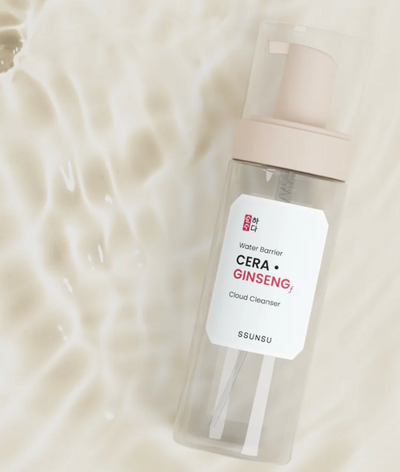
- Cleanser: SSUNSU Water Barrier Cera Ginseng Cloud Cleanser, pH 5.5 with ceramides
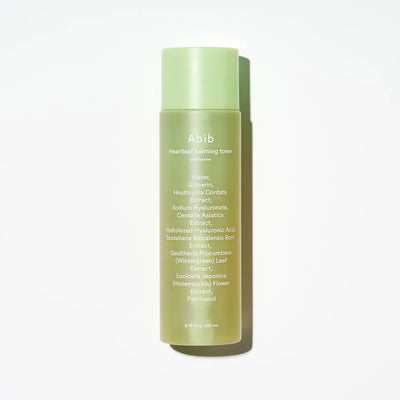
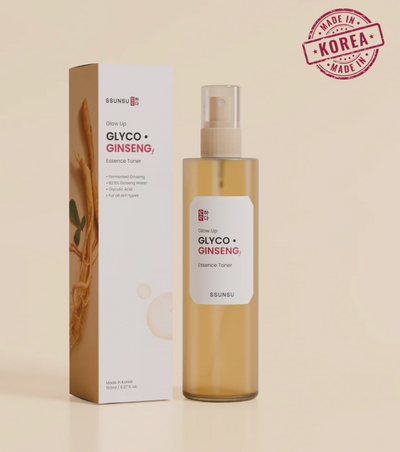
- Toner (optional): Abib Heartleaf Calming Toner to hydrate, or SSUNSU Glow Up Glyco Ginseng Essence Toner, which has glycolic acid for gentle exfoliation
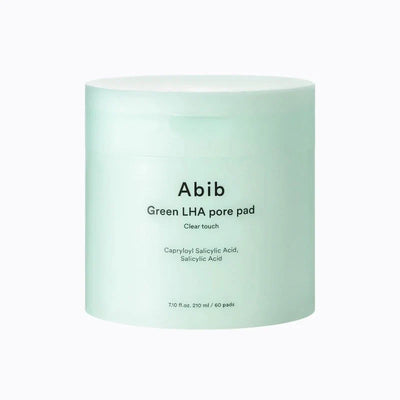
- Exfoliant, optional: Abib Green LHA Pore Pad, with LHA and BHA for pores
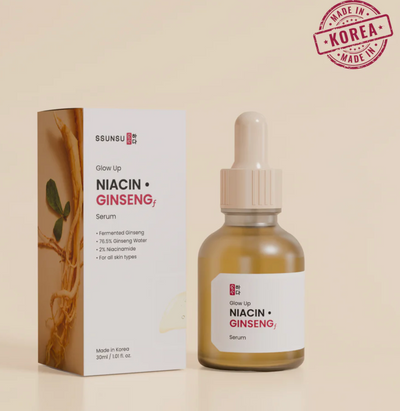
- Serum: SSUNSU Glow Up Niacin Ginseng Serum for tone and oil
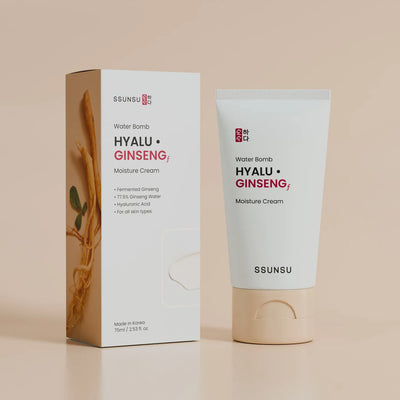
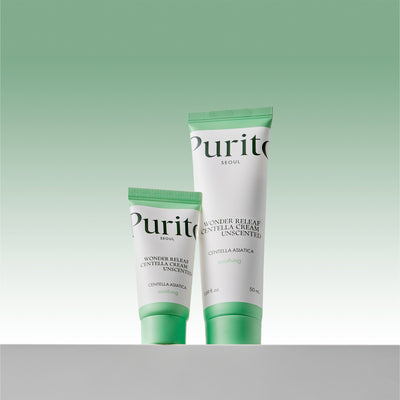
- Moisturiser: SSUNSU Water Bomb Hyalu Ginseng Moisture Cream if you're normal to oily, or Purito Wonder Releaf Centella Cream Unscented if you're sensitive
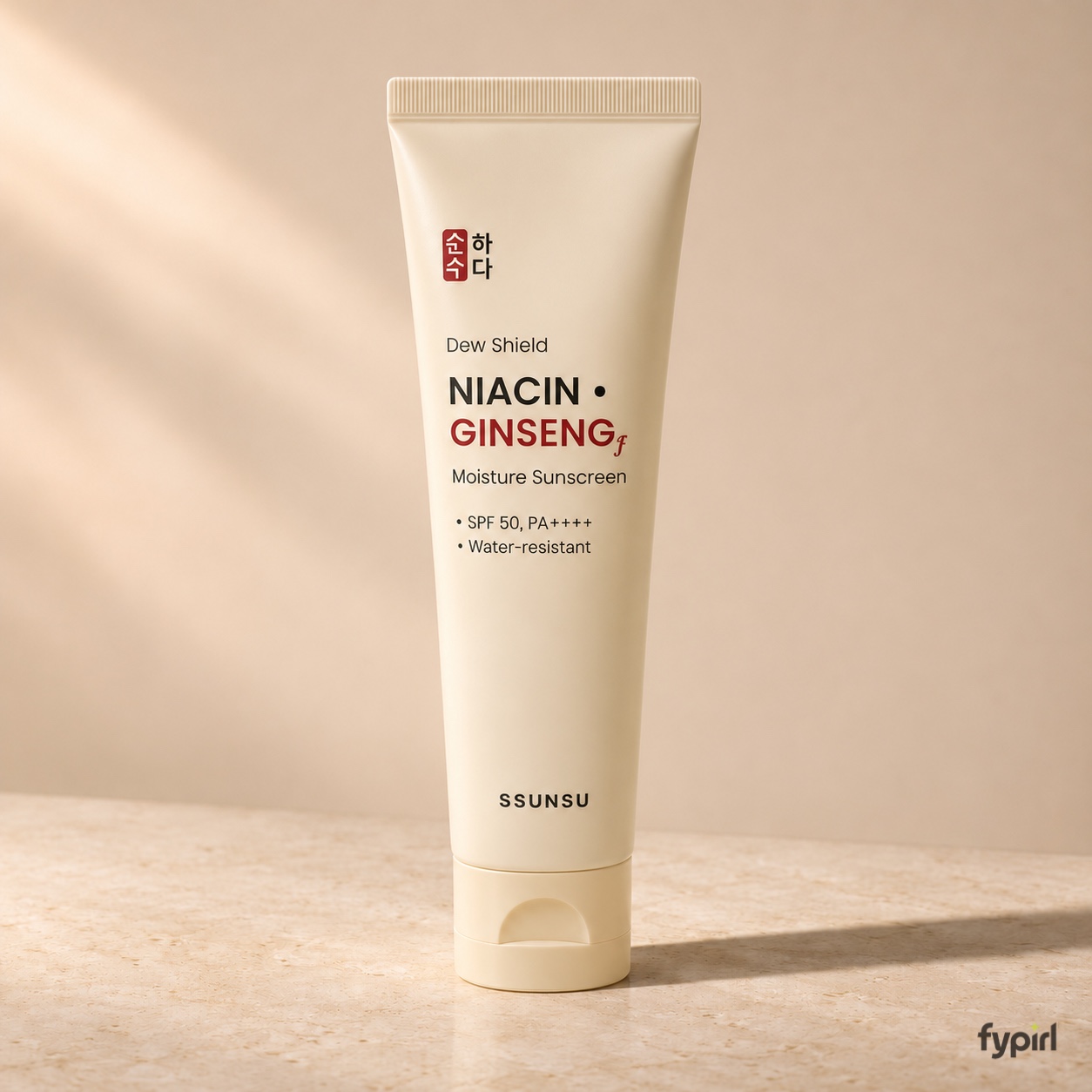
- Sunscreen: SSUNSU Dew Shield Niacin Ginseng Moisture Sunscreen
Start with the cleanser, moisturiser and sunscreen. Add the rest one at a time, a couple of weeks apart, so if something doesn't agree with you, you'll know which one.
Master three steps (a gentle cleanser, a moisturiser and sunscreen) before you buy anything else. Then add one product at a time, for one goal, and give it three months.