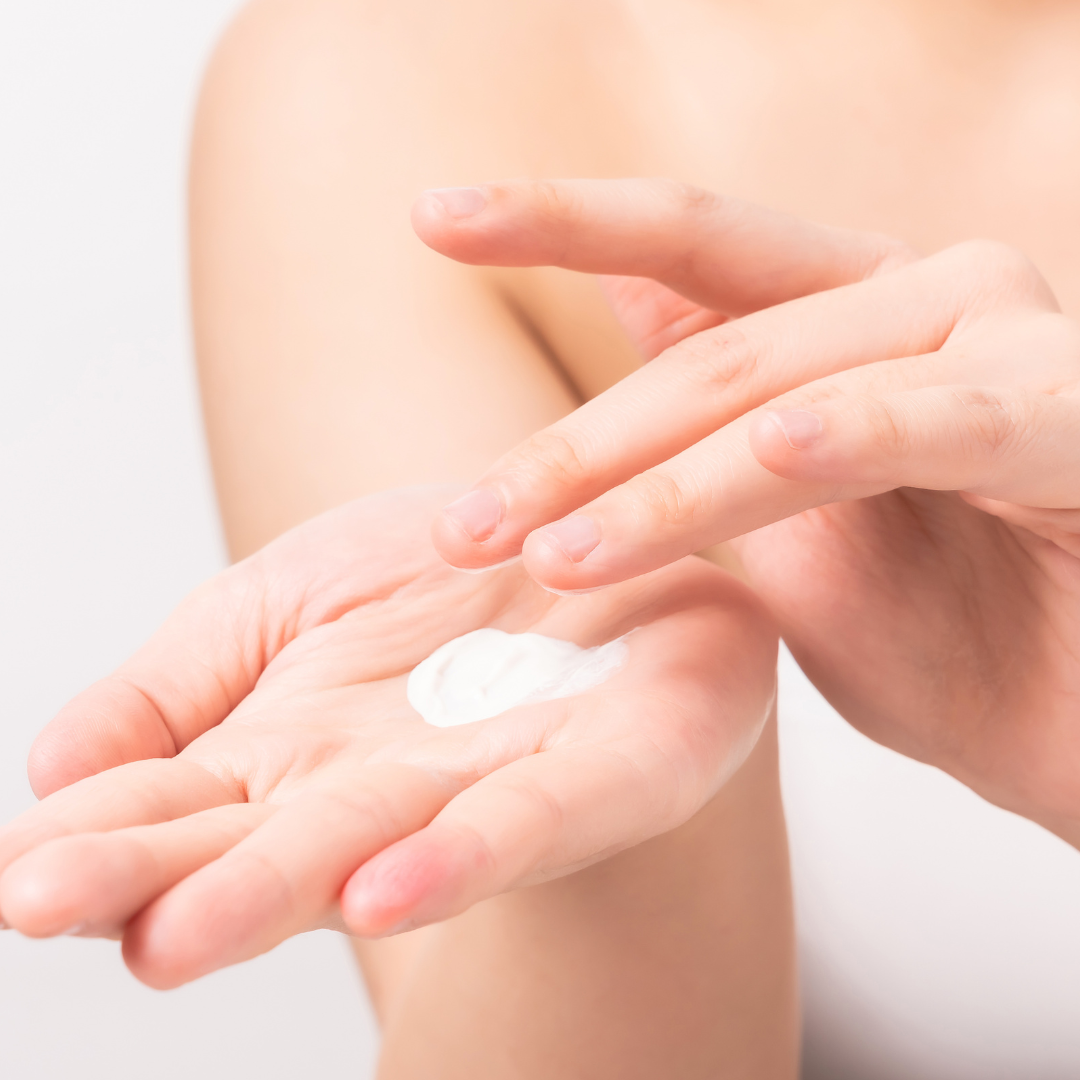
There's a persistent idea in skincare that nighttime is when the real work happens. Apply your products before bed, wake up with better skin. It sounds almost too simple — and in a way, it is, because the logic gets misapplied constantly.
The mistake most people make isn't skipping moisturiser at night. It's using the wrong kind, or using it in the wrong order, and then wondering why their skin still feels tight or dull in the morning despite doing everything right.
What the skin barrier actually is
Your skin barrier — technically the stratum corneum — is the outermost layer of skin. It's made up of dead skin cells held together by a lipid matrix of ceramides, cholesterol, and fatty acids. Think of it less like a wall and more like a brick-and-mortar structure. The cells are the bricks. The ceramides are the mortar.
When the barrier is intact, it does two things well: it keeps moisture inside the skin, and it keeps irritants, bacteria, and environmental damage outside. When it's compromised — through over-exfoliation, harsh cleansers, sun damage, or simply genetics — both of those functions break down simultaneously. Skin loses water faster than it can retain it, and becomes more reactive to everything it comes into contact with.
This is why barrier repair isn't a trend. It's the foundation that everything else in skincare depends on.
Why ceramides matter more than most actives people obsess over
Retinol gets the press. Vitamin C gets the Instagram posts. But ceramides are arguably more important than either, because without a functioning barrier, neither of those ingredients can do their job properly. They either cause irritation on compromised skin or fail to absorb meaningfully.
Ceramides aren't all the same. There are several distinct types — NP, NS, EOP, AP, EOS among them — and they work together as a system rather than individually. A formula containing a single ceramide type is doing partial work. A formula containing multiple ceramide types is closer to replicating what the skin actually produces naturally. The difference shows up in how skin feels over weeks of consistent use — less reactive, more resilient, better at holding onto moisture through the day.
The role of antioxidants in a moisturiser
Hydration and protection are often treated as separate concerns — a moisturiser for the former, SPF for the latter. But environmental oxidative stress doesn't stop at night, and it doesn't only come from UV. Pollution, blue light, and even metabolic processes generate free radicals that accelerate skin ageing and degrade the barrier over time.
Antioxidants — Vitamin C derivatives, plant-based polyphenols, tocopherol — neutralise free radicals before they cause structural damage. Their presence in a moisturiser means the product is doing more than temporarily plumping the skin. It's actively reducing the accumulating damage that shows up years later as uneven tone, loss of elasticity, and persistent dullness.
Ginger root, for instance, is a meaningful antioxidant source — not a decorative ingredient. Same with Centella Asiatica, which has well-documented evidence behind its ability to soothe inflammation and support barrier function simultaneously.
The damp skin rule that most people ignore
Application timing changes what a moisturiser can do. Applied to completely dry skin, a moisturiser primarily seals whatever moisture is already there — which isn't much if the skin has been sitting in air-conditioned rooms all day. Applied to slightly damp skin immediately after cleansing, it locks in the water before it evaporates and drives hydrating ingredients deeper into the upper layers of the skin.
This single change — applying while skin is still damp — produces noticeably better results from the same product. Most moisturisers don't mention it. It doesn't cost anything to do.
A note on fragrance in moisturisers
This deserves more attention than it gets. Fragrance is one of the most common skin sensitisers in cosmetics — both synthetic fragrance and essential oils. For people with reactive, acne-prone, or compromised skin, it's often the invisible culprit behind persistent irritation. A scentless formula isn't less sophisticated. It's a formulation decision that removes an unnecessary risk, especially for a product applied twice daily in close contact with the skin.
Paloma's 24/7 Face Hydrator is a scentless moisturiser built around 5% Centella Asiatica, a 7x Ceramide Complex, Moringa Oleifera, and antioxidants from Ginger Root — dermatologically tested, designed for daily use. Available at Reverie on Hill.


