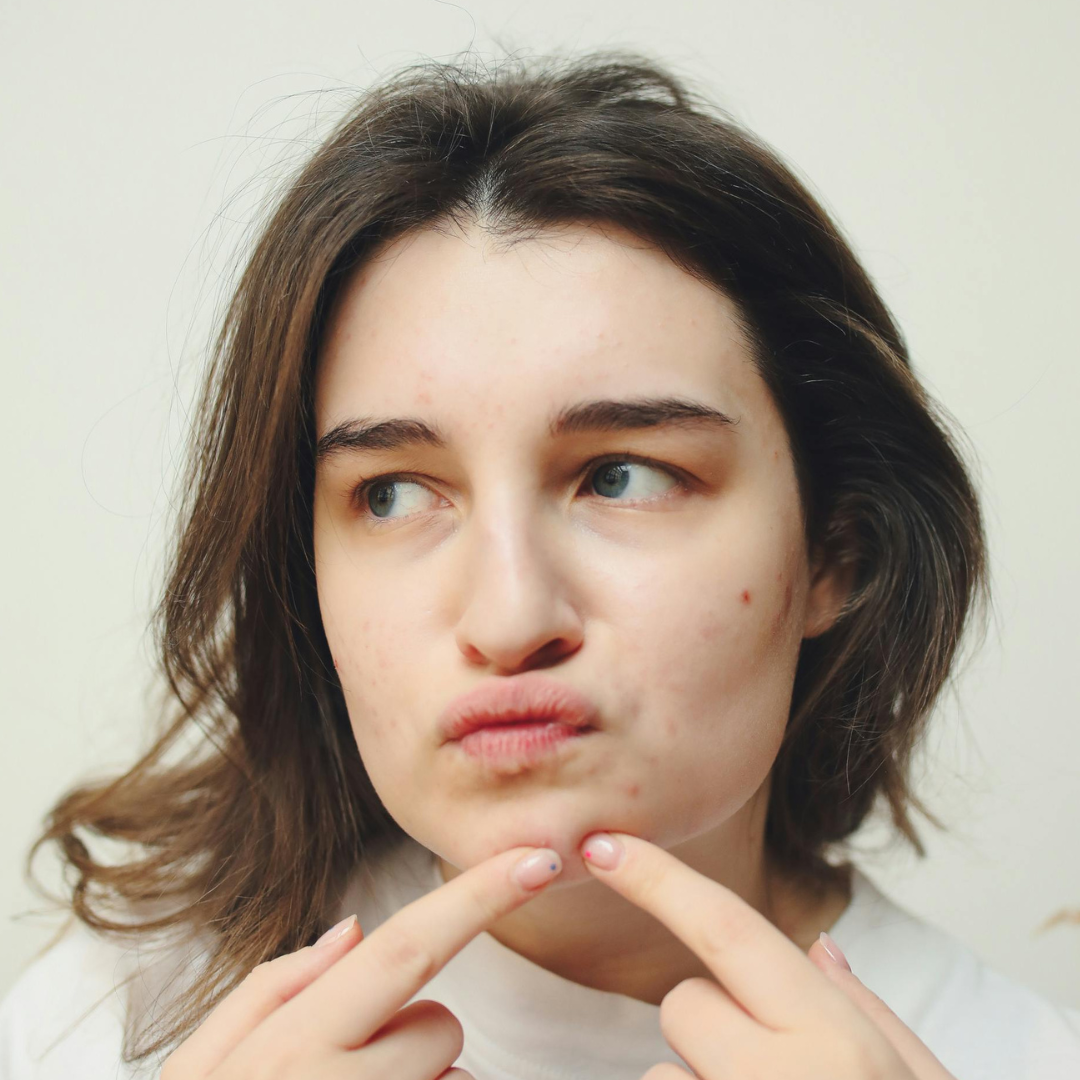
A spot appears. You treat it. It fades — sort of. Then it leaves a mark that sits on your face for weeks longer than the pimple itself did. Most people blame their skincare. The real culprit is usually what happened in between.
Understanding how acne actually heals changes how you treat it. And it explains why so many well-intentioned habits end up making things worse.
What acne is, at a basic level
Acne forms when a hair follicle becomes blocked — usually by a combination of excess sebum, dead skin cells, and the bacteria Cutibacterium acnes. The blockage creates an environment where bacteria multiply, triggering an inflammatory response from the immune system. The redness, swelling, and soreness you see on the surface is your body actively fighting an infection, not just a cosmetic inconvenience.
This matters because it reframes how healing should work. You're not just trying to dry out a spot. You're trying to resolve an inflammatory event without creating additional damage in the process.
The wound healing stages nobody talks about
After the initial inflammation peaks, the skin goes through a predictable repair sequence. First, the body sends collagen to patch the damaged tissue. Then it gradually remodels that collagen over weeks or months. During this phase the skin is fragile — more sensitive to UV, more prone to pigmentation, and slower to recover from any additional irritation.
This is the stage where most people make the damage worse. Picking, aggressive exfoliation, over-application of drying actives — all of these interrupt the remodelling process and extend healing time significantly. They also increase the likelihood of post-inflammatory hyperpigmentation, which is the dark mark left behind after the spot itself has gone.
PIH isn't scarring in the technical sense. It's melanin overproduction triggered by inflammation. The skin produces extra pigment as a protective response, and that pigment takes time to disperse — anywhere from a few weeks to several months depending on skin tone and how much additional inflammation occurred during healing.
Why drying a spot out is often counterproductive
The instinct with a pimple is to dry it out as fast as possible. Alcohol-based products, high-concentration benzoyl peroxide, toothpaste — people reach for anything that feels like it's doing something aggressive. And it does do something. It also strips the moisture barrier, which slows the skin's own repair mechanisms and makes the surrounding skin more irritated and reactive.
The skin heals faster in a moist environment than a dry one. This is established wound care science, not a skincare marketing claim. Keeping the area hydrated while protecting it from further contamination and physical interference produces better outcomes than aggressive drying in almost every case.
The picking problem
Picking is the single most damaging thing most people do to an active spot. It introduces bacteria from the fingers, ruptures the follicle wall deeper into the skin, spreads the contents of the pimple into surrounding tissue, and directly causes the post-inflammatory marks that linger long after the original spot healed. It also feels almost impossible not to do, which is a different problem.
The practical solution isn't willpower. It's removing the opportunity. If there's a physical barrier over the spot, the instinct to touch it is interrupted before it becomes a habit.
Hydrocolloid patches work on a simple principle. They create a moist, sealed environment over the spot that draws out fluid, protects the area from bacteria and physical contact, and reduces inflammation — all without drying the skin out. The clear ones are thin enough to wear during the day without being obvious. They also make picking physically difficult, which removes the temptation more effectively than telling yourself not to do it.
Catch Me Patch's Spot Care & Cover patches do exactly this — 60 patches at $12, which works out to 20 cents a spot. For anyone dealing with recurring breakouts, having them on hand is less of a skincare luxury and more of a practical decision. Available at Reverie on Hill.
Back to healing properly
The other piece people underestimate is sun protection during the healing phase. UV exposure directly worsens post-inflammatory hyperpigmentation — the melanin-producing cells in already-inflamed skin are hypersensitive to light. Skipping SPF while a spot is healing is one of the most reliable ways to turn a temporary mark into one that lasts significantly longer.
Consistent SPF, a gentle non-comedogenic moisturiser, and something physical between your fingers and the spot. That's the actual framework for faster acne healing. Nothing dramatic. Just less interference.


